
Cortisol and Testosterone: Understanding the Complex Relationship
INTRODUCTION
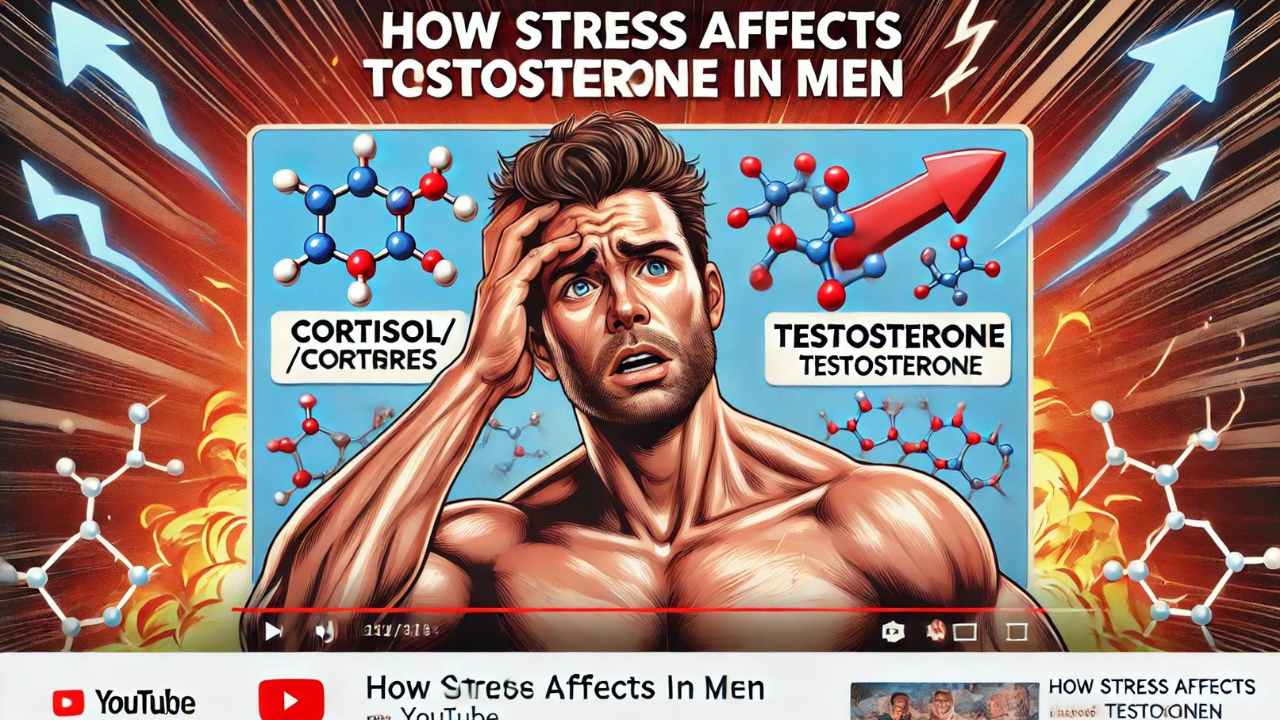
In the intricate world of human physiology, hormones play pivotal roles in regulating numerous bodily functions. Among these hormones, cortisol and testosterone are often discussed due to their significant impact on stress response, metabolism, and reproductive health. Understanding how these hormones interact is crucial for comprehending various aspects of health and well-being. This blog post delves into the relationship between cortisol and testosterone, exploring how cortisol affects testosterone levels, the causes of high cortisol, and what this means for overall health.
What is Cortisol?
Cortisol, often referred to as the "stress hormone," is produced by the adrenal glands located above the kidneys. It is released in response to stress and low blood-glucose concentration. Cortisol's primary functions include:
Regulating metabolism: It helps control how the body uses carbohydrates, fats, and proteins.
Reducing inflammation: Cortisol plays a role in suppressing the immune system's inflammatory response.
Controlling blood sugar levels: It assists in increasing blood sugar through gluconeogenesis.
Assisting with memory formulation: Cortisol is involved in the formation of memories associated with emotional events.
Managing stress: It prepares the body to handle stressful situations by triggering the fight-or-flight response.
What is Testosterone?
Testosterone is the primary male sex hormone, though it is also present in females in smaller amounts. It is mainly produced in the testes in men and the ovaries and adrenal glands in women. Testosterone is crucial for:
Development of male reproductive tissues: This includes the testes and prostate.
Promoting secondary sexual characteristics: Features such as increased muscle and bone mass and the growth of body hair.
Maintaining libido: Testosterone is vital for sexual desire in both men and women.
Regulating mood and energy levels: It influences overall vitality and mental well-being.
The Interaction Between Cortisol and Testosterone
The relationship between cortisol and testosterone is complex and influenced by various factors, including stress, sleep, diet, and overall health. Here are some key points about how cortisol affects testosterone levels:
Inhibition of Testosterone Production: High levels of cortisol can inhibit testosterone production. This is partly because cortisol and testosterone share common precursor hormones, and the body's response to stress can shift the balance towards cortisol production at the expense of testosterone.
Impact on the Hypothalamic-Pituitary-Gonadal (HPG) Axis: Chronic stress and elevated cortisol levels can disrupt the HPG axis, which regulates testosterone production. The hypothalamus releases gonadotropin-releasing hormone (GnRH), which stimulates the pituitary gland to produce luteinizing hormone (LH). LH then signals the testes to produce testosterone. Elevated cortisol can interfere with this process, reducing testosterone levels.
Binding to Sex Hormone-Binding Globulin (SHBG): Cortisol can increase the levels of SHBG, a protein that binds to testosterone and reduces its availability in the bloodstream. This means that even if testosterone is produced, less of it is free to exert its effects on the body.
Catabolic vs. Anabolic Effects: Cortisol is catabolic, meaning it breaks down tissues to provide energy during stress, whereas testosterone is anabolic, promoting muscle and tissue growth. High cortisol levels can, therefore, counteract the muscle-building effects of testosterone, impacting physical performance and recovery.
Causes of High Cortisol Levels
High cortisol levels, also known as hypercortisolism, can result from a variety of factors. When cortisol levels remain elevated for extended periods, it can lead to several health issues. Here are some of the primary causes of high cortisol levels:
Chronic Stress
1. Emotional Stress: Prolonged emotional stress from work, relationships, financial problems, or other personal issues can keep cortisol levels elevated.
2. Physical Stress: Chronic illness, pain, or injury can also lead to sustained high cortisol levels.
Poor Sleep Patterns
1. Insomnia: Difficulty falling or staying asleep can disrupt the body's natural cortisol rhythm, leading to elevated levels.
2. Sleep Disorders: Conditions like sleep apnea can prevent restorative sleep and increase cortisol production.
Diet and Lifestyle Factors
1. High Sugar and Processed Food Intake: Diets high in sugar and processed foods can increase cortisol levels.
2. Excessive Caffeine: High consumption of caffeine can elevate cortisol production.
3. Alcohol Consumption: Excessive alcohol intake can also contribute to high cortisol levels.
Medical Conditions
1. Cushing's Syndrome: This condition results from prolonged exposure to high cortisol levels, often due to overuse of corticosteroid medications or adrenal gland tumors.
2. Adrenal Gland Disorders: Tumors or hyperplasia (enlargement) of the adrenal glands can lead to excessive cortisol production.
3. Pituitary Gland Disorders: Tumors or other issues with the pituitary gland can cause an overproduction of adrenocorticotropic hormone (ACTH), which stimulates cortisol production.
Medications
1. Corticosteroids: Long-term use of corticosteroid medications, such as prednisone, can increase cortisol levels.
2. Certain Other Medications: Some medications, such as oral contraceptives and certain antidepressants, can influence cortisol production.
Exercise
1. Overtraining: While regular exercise is beneficial, excessive or intense physical activity without adequate rest can lead to elevated cortisol levels.
Illness and Infections
1. Chronic Infections: Long-term infections can stress the body, leading to increased cortisol production.
2. Severe Illness: Conditions like severe liver or kidney disease can disrupt normal cortisol metabolism.
Psychological Factors
1. Anxiety and Depression: Chronic anxiety and depression are associated with higher cortisol levels.
2. Post-Traumatic Stress Disorder (PTSD): Individuals with PTSD often exhibit dysregulated cortisol levels, which can be either high or low depending on the chronicity and nature of the stress response.
Environmental Factors
1. Noise Pollution: Constant exposure to loud noise can be a stressor that elevates cortisol levels.
2. Work Environment: High-pressure work environments or jobs with little control and high demands can chronically elevate cortisol levels.
Genetics
1. Hereditary Factors: Some individuals may have a genetic predisposition to higher cortisol levels due to variations in genes involved in stress response regulation.
Effects of Low Testosterone Due to High Cortisol
Reduced testosterone levels due to elevated cortisol can have several implications for health, including:
Reduced muscle mass and strength: Testosterone is crucial for muscle growth and maintenance. Lower levels can lead to muscle wasting and decreased physical performance.
Increased body fat: Lower testosterone can lead to an increase in body fat, particularly around the abdomen, which is associated with higher health risks.
Decreased libido and sexual function: Testosterone is vital for sexual desire and performance. Low levels can lead to reduced libido and erectile dysfunction in men.
Mood changes and depression: Testosterone influences mood and mental health. Lower levels can contribute to feelings of depression, anxiety, and irritability.
Fatigue and decreased energy levels: Low testosterone can result in chronic fatigue and a lack of energy.
Managing Cortisol and Supporting Testosterone Levels
To maintain a healthy balance between cortisol and testosterone, consider the following strategies:
Stress Management: Practice stress-reducing techniques such as meditation, deep breathing exercises, yoga, and regular physical activity. Reducing stress can lower cortisol levels and support healthy testosterone production.
Adequate Sleep: Ensure you get sufficient, quality sleep. Poor sleep increases cortisol and reduces testosterone levels. Aim for 7-9 hours of sleep per night.
Balanced Diet: Eat a balanced diet rich in whole foods, including lean proteins, healthy fats, and fruits and plenty of vegetables. Avoid excessive sugar and processed foods, which can increase cortisol levels.
Regular Exercise: Engage in regular physical activity, including both aerobic exercises and strength training. Exercise can help regulate cortisol levels and boost testosterone.
Mindful Supplementation: Some supplements, such as vitamin D, zinc, and magnesium, may support healthy testosterone levels. Consult with a healthcare provider before starting any new supplements.
Conclusion
The interplay between cortisol and testosterone highlights the importance of hormonal balance for overall health and well-being. By understanding how stress and cortisol levels can impact testosterone, individuals can take proactive steps to manage stress, support hormonal health, and improve their quality of life. Maintaining this balance is crucial for physical performance, mental health, and overall vitality. Taking control of your stress levels and supporting your hormonal health can lead to a healthier, more vibrant life.
Sign up for a free consultation with Recharge Men's Health today and take the first step toward reclaiming your vitality and well-being. Feel free to contact one of our experts to get your questions answered by texting RECHARGE to 407-801-6101.
Helping Men Improve Their Quality of Life, Sex Drive, Reduce Body Fat, and Increase Their Muscle Mass
407-801-6106
Quick links
Newsletter
Subscribe now to get daily updates.
© 2025 Recharge Medical